When it comes to constructing buildings and infrastructure, ensuring safety and stability is paramount. One of the key considerations in this regard is bracing seismic activity that could potentially cause damage and endanger lives. Seismic bracing is a crucial aspect of construction that involves structural reinforcement to protect buildings from the powerful forces of earthquakes. In this article, we will explore the importance of bracing seismic and the methods used to achieve it.
Seismic activity is a natural phenomenon that occurs when tectonic plates shift beneath the Earth’s surface. This movement can result in earthquakes, which can be devastating in their impact. Buildings and infrastructure must be able to withstand these forces to prevent collapse and minimize damage. Seismic bracing is designed to strengthen structures and provide additional support to mitigate the effects of seismic activity.
There are several methods used to brace buildings against seismic forces. One common approach is the use of diagonal bracing, which involves installing steel braces diagonally across the frame of a building. These braces help distribute the force of an earthquake evenly throughout the structure, reducing the risk of structural failure. Another method is the use of shear walls, which are vertical walls made of reinforced concrete that provide lateral support to a building. Shear walls can significantly increase a building’s ability to resist the forces of an earthquake.
In addition to these methods, base isolation techniques can also be implemented to brace buildings against seismic activity. Base isolation involves separating a building’s foundation from the ground using flexible bearings or pads. This allows the building to move independently of the ground during an earthquake, reducing the transfer of seismic forces to the structure. Base isolation is commonly used in areas with high seismic activity to protect buildings from damage.
The importance of bracing seismic cannot be overstated. By implementing these structural reinforcement techniques, buildings can be made more resilient to earthquakes and safer for occupants. In the event of a seismic event, bracing can prevent structural collapse and reduce the risk of injury or death. It is essential for architects, engineers, and construction professionals to prioritize seismic bracing in their designs to ensure the safety and stability of buildings.
bracing seismic is not only crucial for new construction but also for existing buildings that may be at risk. Retrofitting older structures with seismic bracing can help strengthen them against earthquakes and prolong their lifespan. This process involves assessing the structural integrity of a building, identifying weak points, and implementing bracing techniques to reinforce the structure. Retrofitting can help prevent catastrophic damage and ensure the continued functionality of a building in the face of seismic activity.
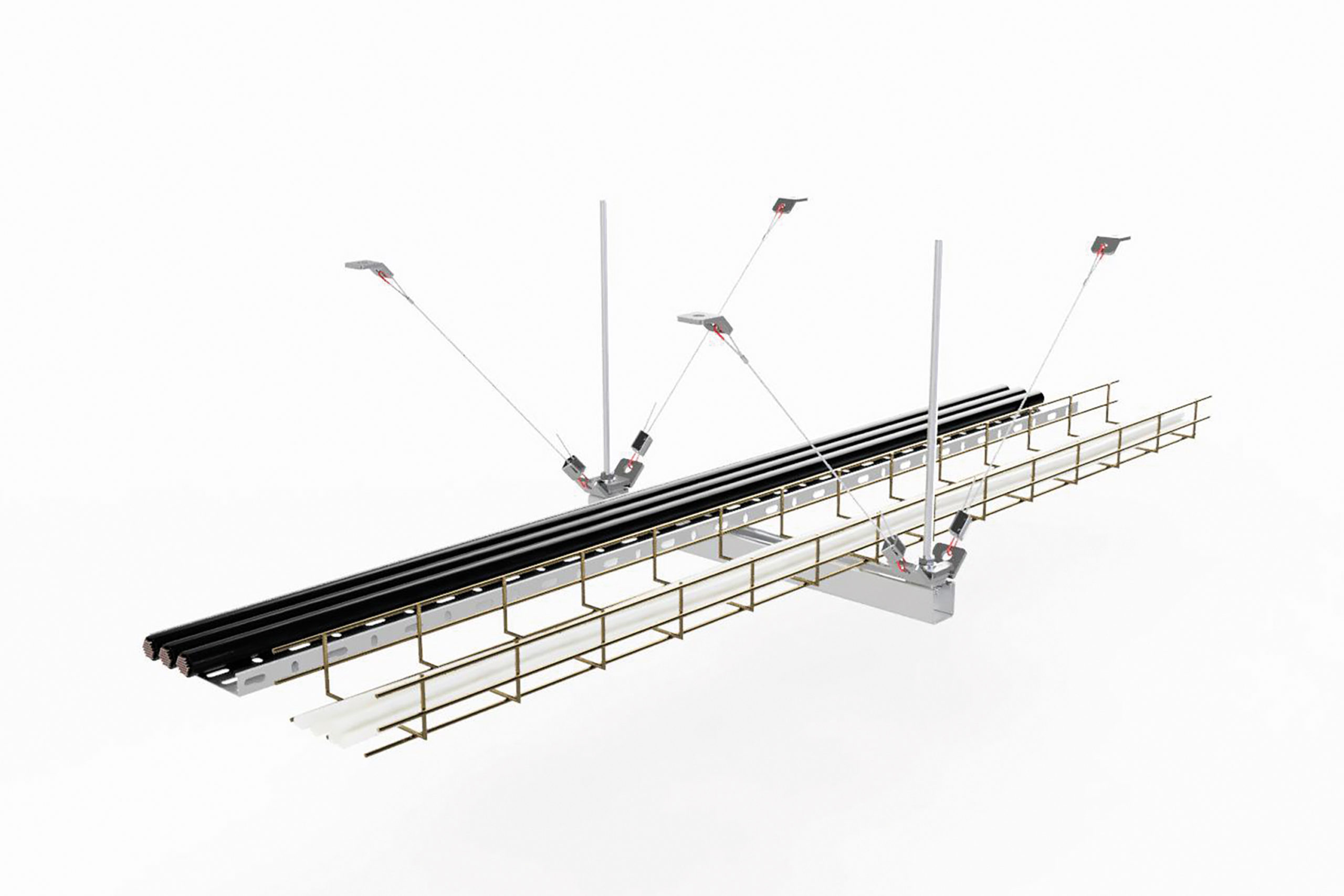
In addition to protecting buildings and infrastructure, bracing seismic also plays a role in safeguarding the economy and society at large. The cost of repairing and rebuilding structures damaged by earthquakes can be astronomical, not to mention the human toll of lives lost and communities devastated. By investing in seismic bracing, governments, businesses, and individuals can mitigate these risks and minimize the impact of seismic events on society. Proactive measures to brace buildings against earthquakes can save lives, reduce financial losses, and help communities recover more quickly in the aftermath of a disaster.
In conclusion, bracing seismic is a crucial component of construction that ensures the safety and stability of buildings in the face of earthquakes. By implementing structural reinforcement techniques such as diagonal bracing, shear walls, and base isolation, buildings can be made more resilient to seismic forces. Retrofitting existing structures with seismic bracing is also essential to protect against earthquakes and prolong the lifespan of buildings. Investing in seismic bracing is not only a matter of safety but also of economic and social importance. By prioritizing bracing seismic, we can build a more resilient and secure built environment for the future.